Raising a sensitive child can be both a wonderful and challenging journey.
Each child is different, with their own feelings and needs. But when a child is especially sensitive, it takes special care from parents like you to help them grow up happy and healthy.
As someone who has raised several sensitive children, I’ve gotten to know firsthand the ups and downs of parenting them. My experience has given me valuable insights into how to support and nurture these amazing kids.
From dealing with big emotions to helping them feel strong and confident, my journey has shown me how important sensitive parenting can be.
Sensitive children have heightened emotional awareness and are more attuned to the world around them.
They often feel things deeply, experiencing both joy and pain on a more intense level. Sensitivity in children is not a weakness, rather a beautiful gift that needs to be nurtured and empowered. By understanding the nature of sensitivity in children, we can create an environment that supports their growth and development.
Sensitive children possess many valuable gifts that may set them apart from their peers.
They have an incredible ability to empathize with others, showing kindness and compassion that can inspire those around them. Their heightened emotional intelligence allows them to understand and connect with people on a deeper level, making them natural caregivers and nurturers.
Additionally, sensitive children often exhibit great creativity and imagination, which can lead to unique insights and innovative thinking. By recognizing and appreciating these gifts, we can encourage the sensitive child to embrace their true potential.
Nurturing sensitivity in children starts with fostering a safe and nurturing environment at home.
Sensitive children thrive when they feel understood and accepted. It is helpful to provide them with a space where they can express their emotions freely so that they aren’t afraid of being criticized or judged. The last thing they need to hear is, “You're too sensitive,” so refrain from saying it.
Encourage open communication and active listening, allowing your child to share their thoughts and feelings without interruption. Validate their experiences and help them develop a healthy sense of self-worth.
I remember one evening, my son got really upset over something I thought wasn't a big deal.
He was crying because one of his toys broke, but I couldn't understand why he was so upset. I tried to tell him it wasn't such a big deal and offered to fix it, but he just got more upset. He stomped his feet and yelled, which made me feel frustrated and confused.
But then I realized something important. Just because I didn't think it was a big deal, didn't mean it wasn't a big deal to him. I learned that everyone feels things differently, and it's not up to me to judge how someone else feels. Instead of trying to make him stop crying, I learned to just be there for him.
I found out that he needed to feel like I was listening and that his feelings mattered. So instead of trying to fix the problem right away, I just sat with him and listened. I learned that by doing that, I was helping him feel safe and loved, which was more important than anything else.
This is a lesson that has helped me for decades in dealing with many types of people.
Encouraging self-expression and emotional intelligence is another vital aspect of nurturing sensitivity in children.
Provide opportunities for your child to express themselves through creative outlets such as art, music, or writing. For example, if your child loves drawing, you can set up a dedicated art corner with plenty of supplies where they can freely express their emotions and ideas through their artwork.
Or if they enjoy music, you could encourage them to write songs or learn to play an instrument as a way to channel their feelings.
You can also engage in meaningful conversations about emotions, teaching them to identify and label their feelings. By helping your child develop emotional intelligence, you are equipping them with a valuable tool for navigating the complexities of life.
The following are expert tips to nurture and empower sensitive children, helping them navigate their emotions and thrive in a world that may sometimes feel overwhelming.
Sensitive children can easily become overwhelmed by intense emotions or sensory stimuli.
Teach them simple coping strategies such as:
These techniques will help them regulate their emotions and find inner peace during challenging moments.
Encourage your child to step out of their comfort zone and take on new challenges.
By gradually exposing them to different experiences, you are helping them build resilience and confidence. Celebrate their achievements, no matter how small, and remind them of their strengths and capabilities.
Create a calm and nurturing environment at home where your sensitive child feels safe and supported.
Establish consistent routines and clear boundaries that provide a sense of stability. Encourage healthy habits such as regular exercise, nutritious meals, and sufficient sleep, as these contribute to overall well-being.
There are several helpful books that may help you in raising sensitive children, such as:
The Highly Sensitive Child: Helping Our Children Thrive When the World Overwhelms Them by Elaine N. Aron, Ph.D.

This book delves into the traits of highly sensitive children and offers practical advice for parents on understanding and supporting their unique needs.
Quiet Power: The Secret Strengths of Introverted Kids by Susan Cain
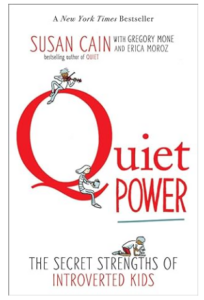
Although not specifically about sensitivity, this book offers valuable insights for parents raising introverted or sensitive children, highlighting their unique strengths and providing guidance on how to support them in a world that often values extroversion.
*Disclosure: As an Amazon Associate, we earn a commission when you click the link and finalize a purchase (At zero cost to you.). We participate in programs like these to keep providing our readers free daily motivational content.
Sometimes, despite our best efforts as parents, sensitive children may require additional support from professionals.
If you notice that your child is struggling with their sensitivity and it significantly impacts their daily life, consider seeking assistance from a child psychologist or therapist.
These professionals can provide guidance, tools, and strategies tailored to your child's unique needs. Remember, seeking help is a sign of strength and a commitment to your child's well-being.
Empowering your sensitive child involves:
By recognizing the gifts of sensitivity in children, creating a supportive environment, encouraging self-expression and emotional intelligence, and teaching coping strategies, you are helping your child embrace their true potential.
Remember, your sensitive child is a beautiful gift to the world, and with your love and guidance, they can shine brightly.
LATEST
January 4, 2026
December 29, 2025
December 19, 2025
CATEGORIES
Wake up to dailymotivation!

Get Motivational Quotes, Affirmations, and insightful content delivered to your inbox every morning!
Session expired
Please log in again. The login page will open in a new tab. After logging in you can close it and return to this page.
